Best Horizon Fence Company Austin Services for Custom Fence Design
Elevate Your Outdoor Living: Distinctive Fencing Ideas to Complement Any Taste
Transforming a backyard area starts with the perfect fence style. Unique options exist for every preference, regardless of whether you favor sleek modern lines or the warmth of rustic wood. Creative and vibrant options can amplify self-expression. as sturdy textured panels ensure seclusion. Those looking for a nature-inspired feel, botanical fence solutions create a balance with nature. Each style delivers notable strengths, encouraging a closer look at how to determine the best option for all types of outdoor areas.
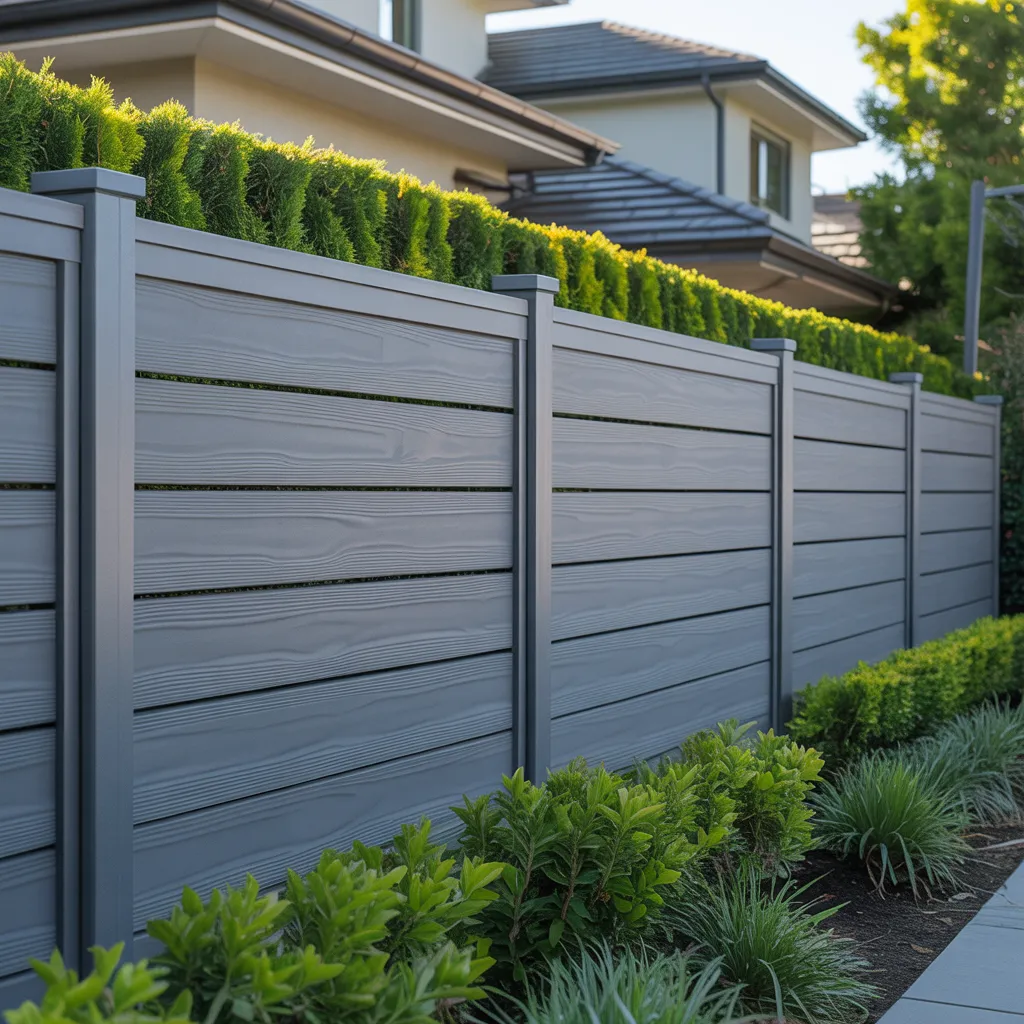
Browse Modern Minimalist Approaches to Fencing Designs
In what ways can modern minimalism transform outdoor spaces via fencing designs? This design approach highlights simplicity, clean lines, and practicality, transforming traditional fencing into striking elements that enhance rather than obstruct views. Minimalist fencing often utilizes materials like metal, concrete, or clear glass, establishing a discreet boundary that naturally harmonizes with the landscape.
Using this technique, attention moves from ornate embellishments to clean simplicity, enabling the ambient setting to shine prominently. Hues are generally understated, preferring earthy shades that complement exterior landscapes.
Such designs prioritize practicality, frequently incorporating modular systems that are simple to adjust or expand. Such versatility accommodates varied requirements, whether for privacy or aesthetics. At its core, modern minimalist fencing delivers a refined solution that elevates outdoor spaces, cultivating an atmosphere of openness while ensuring essential boundaries.
Discover Natural Fence Styles Using Authentic Wood Choices
Rustic fencing presents a contrasting approach to modern minimalist design, showcasing warmth and organic charm through the use of raw wood. This particular fencing approach draws inspiration from nature, incorporating materials like cedar, pine, and reclaimed wood. Each element tells its own story, highlighting distinctive textures and grain patterns that complement the overall visual appeal.
Rustic fence styles can take a variety of styles, such as picket, split-rail, or post-and-beam configurations, suitable for a wide range of outdoor environments. They seamlessly blend with wooded areas, gardens, and meadows, creating a harmonious connection with the surrounding landscape. Moreover, rustic fencing frequently offers environmental benefits, utilizing sustainable materials and practices.
Homeowners wishing to capture a warm, pastoral ambiance in their yard will find rustic fencing an excellent option. Its timeless appeal and natural elegance make it a perfect fit for both traditional and contemporary landscapes, inviting a sense of serenity and nostalgia.
Tips for Picking Colorful and Artistic Fencing for Your Property
What elements affect the selection of vibrant and creative fencing for a property? Primarily, the architectural style and surrounding landscape have a significant impact. Residents often seek colors that harmonize with their properties or stand out boldly to enhance visual impact. Moreover, the primary function of the fencing—whether for decor, boundary marking, or protection—can shape creative selections.
The choice of materials also affects color availability; as an example, wood is able to be painted or stained, while metal might need specialized coatings. Local climate should not be overlooked, as particular finishes may hold up better in certain weather conditions.
In addition, personal taste drives many decisions; unconventional arrangements tend to resonate with individuals who embrace vivid expressions, while understated color schemes may better complement classic sensibilities. Ultimately, a well-planned integration of color and aesthetic detail can powerfully transform the feel of an outdoor environment, transforming it into a unique expression of the homeowner's personality.
Seeking Greater Privacy? Consider Tall, Textured Fencing
Many homeowners seeking greater privacy in their outdoor areas frequently consider tall, textured fencing as a practical solution. This style of fencing functions not only as a physical barrier but also contributes an attractive visual element to the surrounding landscape. The considerable height of the fencing effectively prevents intrusive gazes, establishing a tranquil atmosphere for rest and various outdoor activities.
Decorative surface treatments, like wood grain textures or ornamental panels, contribute to visual interest while also offering adequate privacy protection. Such finishes can be adapted to match various architectural styles, ranging from sleek modern to charming rustic, facilitating smooth incorporation into existing designs. Additionally, high-profile textured fencing delivers tangible benefits, including sound dampening and wind resistance, improving the overall outdoor environment. Homeowners often find that opting for this fencing solution not only strengthens privacy but also elevates the value and enjoyment of their property.
Employ Living Fences to Connect With Nature
Living fences present a natural and aesthetically pleasing way to enhance outdoor spaces while effortlessly harmonizing with the natural surroundings. Consisting of a variety of plants, shrubs, and trees, these natural structures not only provide privacy but also support biodiversity. They can be tailored to accommodate specific environmental needs, promoting sustainability and reduced upkeep.
Incorporating local plant varieties cultivates a bond to the local ecosystem, attracting helpful wildlife such as pollinators and birds. Natural barriers can exist in numerous styles, from hedgerows to vertical gardens, allowing homeowners to customize their design according to individual preferences and spatial constraints.
Moreover, they can function as noise read more barriers or windbreaks, boosting the enjoyment of exterior areas. In general, living fences represent an eco-friendly alternative to traditional fencing, improving the landscape while delivering practical benefits that blend with nature. Their dynamic qualities assure that outdoor spaces remain vibrant and inviting throughout the seasons.
Combine Different Fencing Styles for a Cohesive Look
While keeping a unified look is important for outdoor areas, combining different fencing styles can create a unique and visually appealing environment. This method enables property owners to showcase their personal style while boosting the overall appeal of their home. By thoughtfully integrating materials such as wood, metal, and vinyl, one can achieve a layered effect that adds depth and interest.
As an example, combining a traditional wooden picket fence with a contemporary metal gate can produce a striking contrast, bringing together classic and contemporary designs. In the same way, including a stone wall section alongside a modern fence can produce a smooth shift between diverse design themes. It is essential, however, to confirm that the colors and textures complement each other, sustaining harmony throughout the space. In the end, a carefully considered combination of fencing styles not only elevates the aesthetic quality but also reflects the homeowner's unique character and preferences.
Commonly Asked Questions
What Materials Are Best for Durable Outdoor Fencing?
Wood, vinyl, metal, and composite materials are regarded as top choices for long-lasting outdoor fencing. Each delivers exceptional qualities, such as protection against the elements, extended lifespan, and easy maintenance, making them excellent options for diverse settings and design preferences.
How Should I Care for My Fence Over the Years?
To keep a fence in good condition, regular inspections for damage are essential. Washing surfaces, applying protective sealants to wood, and quickly tackling rust or decay will extend its lifespan and maintain its look.
Are There Local Regulations for Fence Height and Design?
Fence height and design regulations vary depending on the local municipality. Homeowners should consult local zoning laws and building codes to guarantee compliance, as rules may cover height boundaries, approved materials, and design guidelines particular to their locality.
What Is the Typical Cost of Different Types of Fencing?
The average cost of fencing styles varies considerably: wood fencing costs between $10 and $30 per linear foot, vinyl averages $20 to $40, while chain-link fencing generally runs between $7 and $15, depending on materials and installation.
Should I Install Fencing Myself, or Hire a Professional?
Individuals can install fencing themselves if they possess the necessary skills and tools; however, enlisting a professional secures quality installation, conformity with local regulations, and may ultimately save both time and effort.