Choose Fortress Fence Company Austin for Iron Fencing
Custom Fence Installation Solutions for Residential & Commercial Properties
Custom fencing installation options serve a critical role in improving both residential and commercial spaces. They provide security, privacy, and visual appeal while defining property boundaries. With various materials available, property owners can choose solutions suited to their specific needs. Skilled installation ensures full compliance with local building codes. Still, the value reaches well beyond the installation itself—knowing how to select the appropriate design and material can significantly influence the property's worth. Which factors should property owners evaluate when making these selections?
Why Custom Fencing Is Vital for Your Property
When thinking about residential upgrades, many homeowners find that custom fences are more than just a visual decision but an essential investment. Custom fences deliver multiple benefits that go beyond aesthetics. They enhance security by forming a tangible barrier that deters intruders and keeps children and pets safe. Furthermore, these fences ensure privacy, enabling homeowners to experience their outdoor spaces away from unwanted attention.
Additionally, custom fences can define property boundaries, minimizing boundary disputes with adjacent property owners and guaranteeing adherence to local rules and guidelines. They additionally enhance the general market value of the property, rendering it more desirable to future purchasers.
From a functional standpoint, custom fences can be designed to accommodate specific needs, such as gates that provide convenient entry or details that elevate the property's landscape design. At the end of the day, investing in a custom fence stands as a sound decision that offers numerous benefits, strengthening both the property's functional value and the property's visual charm.
Comparing Popular Fencing Materials: Wood, Vinyl, and Metal
When evaluating fencing options, wood, vinyl, and metal each provide notable pros and cons. Price comparisons highlight significant differences in initial investment and ongoing maintenance costs. Understanding these factors can assist homeowners make informed decisions aligned with their individual requirements.
Strengths And Weaknesses
Multiple fencing materials, like wood, vinyl, and metal, each offer unique benefits and drawbacks that may affect the decision of a homeowner. Wood is commonly preferred for its organic appeal and adaptability but calls for ongoing attention to protect against rot and infestations. Vinyl, in contrast, is minimal in upkeep and durable against weathering and insects, establishing it as a dependable lasting investment; however, it could fall short of the natural warmth of wood. Metal barriers, such as aluminum or wrought iron, offers robust protection and durability but could involve greater expense and may require occasional maintenance to prevent rust. Every material offers distinct qualities, enabling homeowners to evaluate their particular requirements and desires when identifying the most suitable fencing choice.
Cost Analysis
While homeowners often prioritize appearance and practicality in the process of selecting fence materials, expenses remain a key element in the decision-making process. Timber fencing commonly provides a lower initial investment yet demands regular upkeep, potentially driving up total expenditures. Conversely, vinyl fences, although pricier upfront, deliver resilience and reduced upkeep requirements, rendering them a financially smart selection over the years. Metal fencing, including aluminum and steel, usually carries a higher initial cost though is celebrated for its lasting strength and weather resistance, thereby reducing future repair costs. Ultimately, the overall investment—accounting for installation, upkeep, and durability—must help residents in selecting the most suitable fencing material for both personal and commercial applications.
Choosing the Right Fence Design for Your Yard
Picking the right fence design for a yard can greatly improve both the visual appeal and practicality of a property. Homeowners and property managers must assess a number of considerations when selecting a solution, including the primary function of the fence, regional guidelines, and the architectural style of the property. Privacy-focused fence designs, for example, are well-suited for similar information creating secluded outdoor areas, while classic picket-style fences often boost the property's appearance and provide a welcoming aesthetic.
Material choices also play a significant role; wood offers a traditional look, while vinyl or metal may deliver resilience and easy care. Furthermore, colors and designs ought to harmonize with the surrounding environment and existing structures. At the end of the day, a well-chosen fence design not only marks boundaries but also adds to the overall character of the property, making careful consideration vital for reaching the intended results.
Why You Should Choose Professional Fence Installation
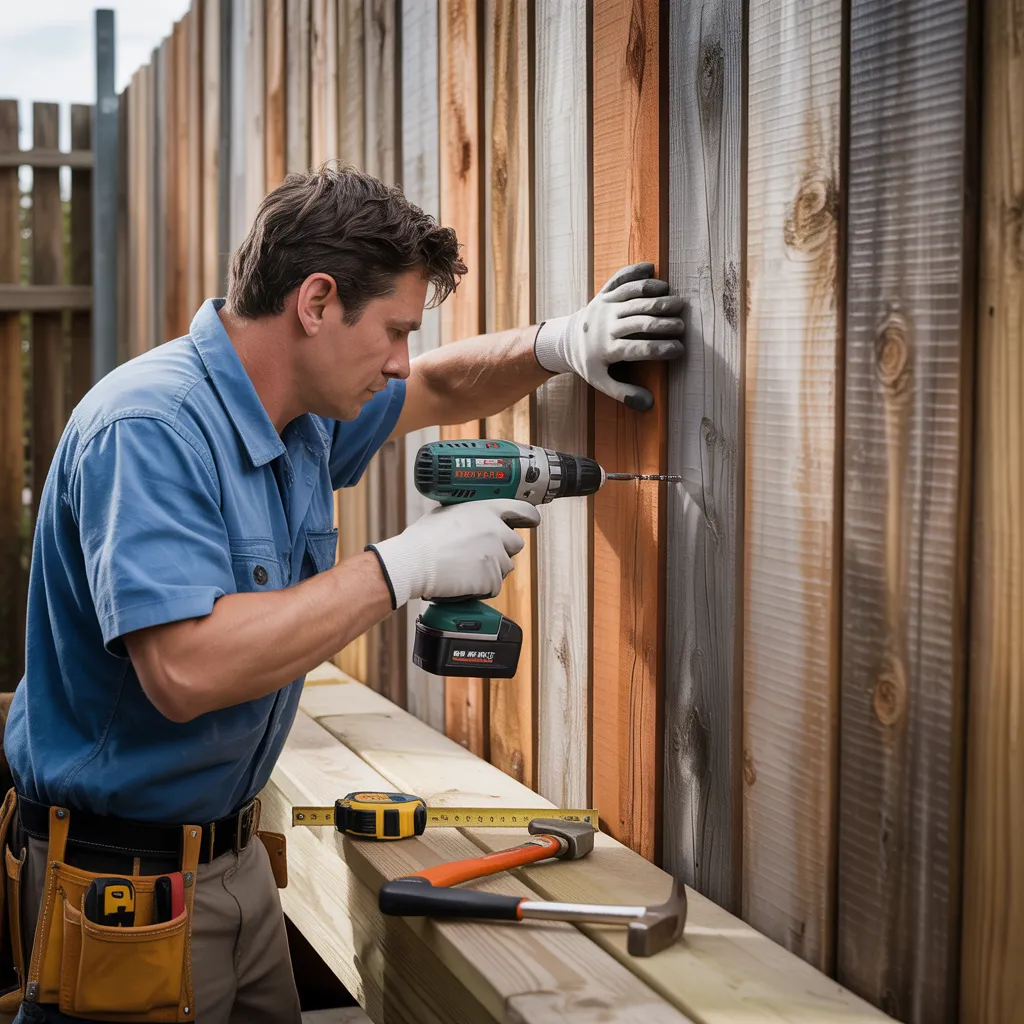
Selecting expert fencing installation guarantees that the work is carried out with expertise and attention to detail. Expert installers carry the necessary skills and experience to manage the challenges of a wide range of fencing options and designs. They understand area-specific building codes and zoning guidelines, maintaining conformity and steering clear of legal problems.
Moreover, engaging experienced technicians commonly produces a speedier installation process, as they have access to professional-grade tools and supplies. Such proficiency not only cuts down on time but also minimizes disruption to the resident's daily schedule. Additionally, experienced professionals can offer helpful guidance and suggestions suited to the unique requirements of the space, elevating the quality of the outcome.
Finally,opting for professional installation typically offers service warranties, offering assurance concerning the lasting quality and durability of the fence. To conclude, opting for professional fence installation is a prudent investment for all types of properties, ensuring a high-quality outcome.
In What Ways Does Custom Fencing Improve Security?
Custom fencing plays a crucial role in strengthening security at residential and commercial properties. By creating a solid physical barrier, it helps prevent trespassers and unauthorized individuals from gaining access. Custom fence height, material selection, and design can all be adapted to satisfy specific security demands, creating significant obstacles for intruders attempting to scale or breach the barrier.
Additionally, a wide range of customized fencing solutions can be combined with state-of-the-art security features, such as access points outfitted with locks, surveillance cameras, or motion sensors, adding an additional layer of protection. The appearance of a solidly built fence can additionally serve as a powerful deterrent, leaving properties unappealing prospects for criminal activities.
In addition, custom fencing is able to be engineered to reduce visibility within the property, reducing the knowledge that prospective intruders could acquire. In summary, custom fencing investments significantly strengthen the security profile of any property, ensuring peace of mind for owners and occupants alike.
Improving Curb Appeal With Custom Fencing
A professionally installed fence can markedly elevate the curb appeal of a property, immediately improving its exterior. Personalized fence options offer a broad selection of designs, colors, and textures that can accentuate the structural characteristics of a residential or commercial property. Whether you prefer a classic picket fence, a sleek modern design, or a charming wood enclosure, the appropriate decision can transform the property's look.
In addition, customized fences can be adapted to fit unique landscapes, providing a natural harmony with landscaped areas and outdoor environments. With the inclusion of aesthetic details, such as ornamental post caps or latticework, residents can deeply personalize their fence installation, transforming it into a standout feature.
The aesthetic appeal of a personalized fence does more than attract the eye as it also showcases the owner's style and attention to detail, ultimately creating a inviting and visually pleasing setting for visitors and passersby alike.
Budgeting for Your Custom Fence Project
Setting a budget for a custom fence installation demands thoughtful evaluation of upfront costs and possible unforeseen charges. Establishing a practical budget is crucial to prevent financial pressure, since unforeseen costs may emerge throughout the installation process. Understanding these factors can help homeowners make informed decisions and reach their desired fencing outcomes without exceeding their financial limits.
Creating a Realistic Budget
Creating a reasonable budget is vital for homeowners and business owners thinking about installing a fence. Property owners of all kinds must start by examining their needs and priorities, including the style of materials, layout, and overall scope of the fence. Investigating regional costs for both materials and labor allows for an accurate starting budget. Furthermore, it is important to consider possible price fluctuations influenced by factors like location and installation complexity. Allocating a reserve fund for unforeseen costs can offer valuable financial security. By thoroughly evaluating all these aspects, individuals can create a thorough budget that aligns with their vision while ensuring they stay within their financial means, ultimately leading to a more successful fencing project.
Hidden Fees to Take Into Account
What unexpected expenses might arise during a custom fence installation project? Homeowners ought to be aware of several potential additional costs. First, site preparation may require additional grading or clearing, especially in uneven terrains. Permit fees may also come as a surprise, since local regulations frequently require permits for fence installation. Furthermore, if the current landscape contains obstacles such as tree roots or rocks, removal expenses can rise rapidly. Furthermore, homeowners could be subject to unanticipated labor charges if the installation runs into delays or complications. Once installation is complete, ongoing maintenance costs, such as refinishing or repairs, should be accounted for in the overall budget. By factoring in these unforeseen costs, property owners can establish a more realistic financial plan for their custom fencing project.
Maintenance Tips for Long-Lasting Custom Fences
While custom fencing can improve the aesthetic appeal and security of a property, consistent care is necessary to extend their lifespan. Regular inspections are important; property owners should look for indicators of deterioration, such as cracks or rot, most notably in timber fences. Regularly cleaning the fence aids in eliminating dirt and buildup that may lead to degradation. For wooden fences, applying a sealant or protective stain every few years can prevent water damage and UV degradation.
Metal fence installations, on the other hand, must be inspected for rust and corrosion. Applying a rust-inhibiting paint can substantially maximize their life. Furthermore, making sure that greenery does not invade the fence can prevent moisture buildup and damage. To conclude, prompt repairs of any issues can mitigate larger problems down the line. By implementing these care recommendations, property owners can be confident their custom fences stay both practical and aesthetically pleasing for the long term.
Frequently Asked Questions
How Long Does a Custom Fence Installation Generally Take to Complete?
Custom fence installation usually spans between one and three days, based on factors including the size of the property, the type of materials chosen, and current weather conditions. Schedules may change based on specific project requirements and complexities.
Can I Install a Custom Fence During Winter Months?
Indeed, putting in a tailored fence over the course of winter months is possible. That said, the installation process may involve difficulties due to ice-hardened ground and harsh weather, often lengthening the time required for installation and necessitating specific tools for effective results.
What Permits Are Needed for Custom Fence Installation?
Generally, a local permit is necessary for installing a custom fence, as well as possible zoning approvals. Property owners should contact their municipality for specific regulations, ensuring compliance with height, location, and design requirements before beginning the project.
Are There Warranty Options Available for Custom Fences?
Many companies offer warranty coverage for custom fences, generally including workmanship and materials. The duration and terms vary, so it is recommended that customers ask about the particular warranty terms before moving forward with the installation.
How Can I Select the Right Fence Contractor for My Project?
To hire a fence contractor, it is advisable to look into local providers, examine customer feedback, validate credentials and coverage, request detailed quotes, and review prior installations. Communication and professionalism during initial interactions also suggest dependability and service quality.